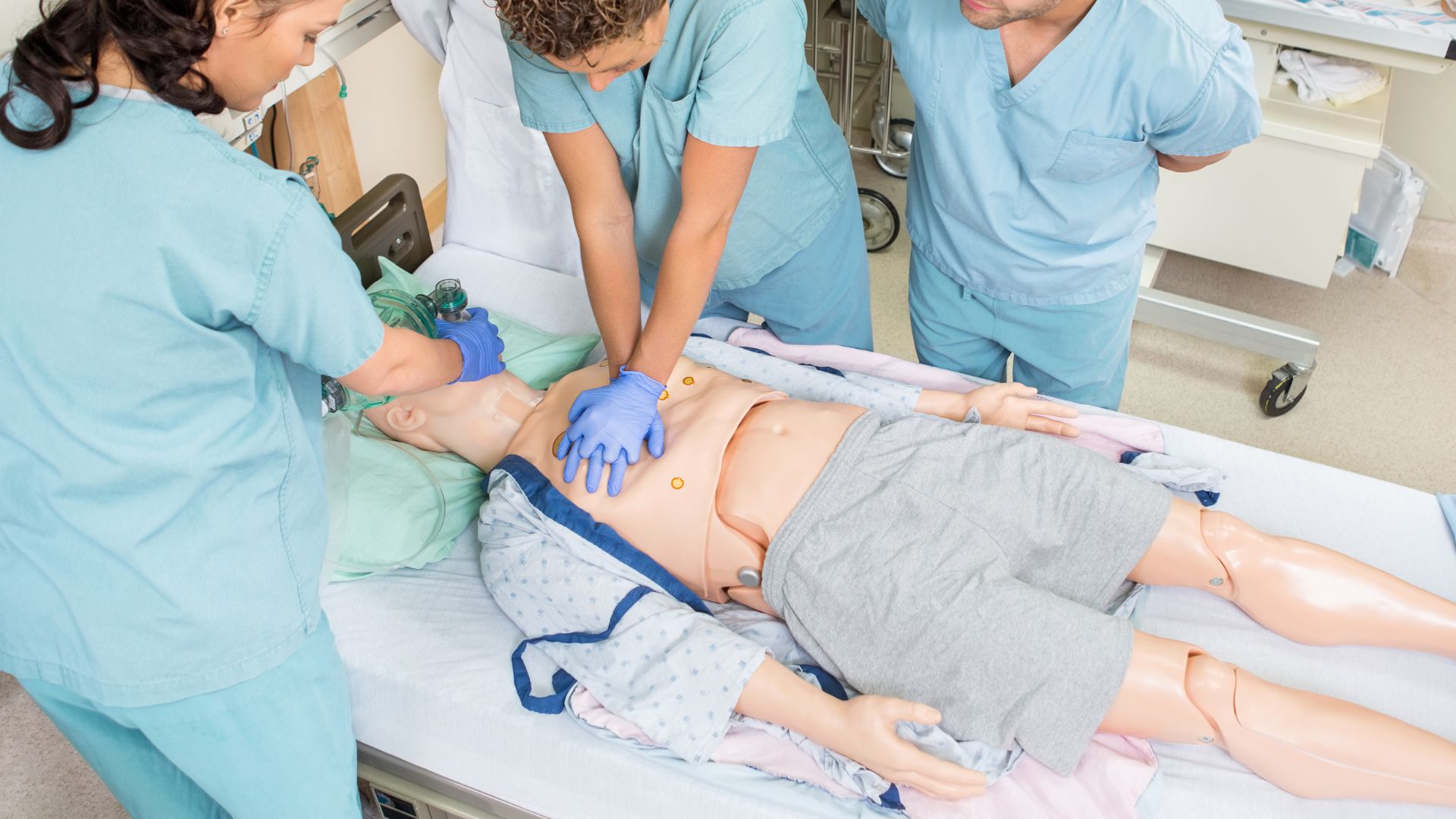
In today’s fast-paced world, knowing how to respond effectively in emergency situations can be a crucial skill. Whether you’re a healthcare professional or someone looking to be more prepared, understanding the differences between CPR and BLS certification is vital. While both certifications are designed to equip individuals with life-saving skills, they cater to different levels of expertise and scenarios.
In this blog post, we will delve into the specifics of each certification, helping you discern which one aligns more closely with your needs or professional requirements. From exploring the fundamental principles of Cardiopulmonary Resuscitation (CPR) to understanding the comprehensive nature of Basic Life Support (BLS) training, we aim to provide a clear and concise comparison. Stay tuned as we explore the nuances that distinguish these essential certifications.
Understanding CPR: Lifesaving Basics Explained
In the realm of emergency response, Cardiopulmonary Resuscitation (CPR) stands as a foundational skill that can make the difference between life and death. Whether you’re aiming to refresh your knowledge or are completely new to this lifesaving technique, understanding its core components is crucial. Below, we break down the essential aspects of CPR in a concise list to help you grasp its significance and application.
1. Recognizing Emergencies: The first step in applying CPR effectively is identifying when it is needed. Recognize signs of cardiac arrest, such as sudden collapse, lack of responsiveness, or abnormal breathing. Quick assessment can save precious time in emergencies.
2. Ensuring Scene Safety: Before administering CPR, ensure the environment is safe for both you and the victim. This minimizes the risk of harm during the rescue process and ensures you can focus fully on providing aid.
3. Calling for Help: Once the scene is secure, promptly call emergency services or direct someone else to do so. Early activation of emergency medical services can facilitate faster professional intervention, which is crucial for patient survival.
4. Performing Chest Compressions: The heart of CPR lies in effective chest compressions. Position your hands correctly on the victim’s chest and apply firm, rhythmic compressions at a depth and rate recommended by the latest medical guidelines. This helps maintain blood flow to vital organs until further medical help arrives.
5. Providing Rescue Breaths: Depending on your training level and the specific situation, incorporating rescue breaths can aid in oxygenating the blood. Ensure that the airway is clear and provide breaths using a barrier device if available, adhering to the proper compression-to-breath ratio.
By mastering these CPR basics, you lay a strong foundation for handling emergency situations efficiently. For those interested in further honing their skills, pursuing Basic Life Support (BLS) certification through providers like CPR Anchorage offers more comprehensive training, equipping you with advanced lifesaving capabilities.
What is BLS Certification? A Comprehensive Guide
Building on the foundational knowledge of CPR, Basic Life Support (BLS) certification offers a more comprehensive approach to emergency response. This certification, often required for healthcare professionals, encompasses a wide array of lifesaving techniques beyond the basics of CPR. By understanding BLS, you can be better prepared to handle complex scenarios that may arise in real-world situations.
Understanding BLS: BLS certification goes beyond the basic CPR skills by incorporating additional procedures such as using an Automated External Defibrillator (AED), managing choking incidents, and supporting multiple-rescuer scenarios. These skills are crucial for ensuring the highest chances of survival in critical situations.
The Importance of AED: A key component of BLS training is the practical use of an AED. These devices are designed to restore a normal heart rhythm in victims of sudden cardiac arrest. BLS certification ensures that you are proficient in operating an AED effectively, which can be a lifesaver before professional medical help arrives.
Team Dynamics: In many professional settings, emergencies require coordinated efforts. BLS certification prepares you to work efficiently within a team, emphasizing clear communication and role assignment during a crisis. This collaborative approach can significantly enhance the effectiveness of the intervention.
Scenario-Based Training: BLS courses often incorporate realistic scenarios to simulate emergency situations, providing hands-on experience. This practical training ensures that you are not only theoretically prepared but also equipped to apply your skills under pressure.
By pursuing BLS certification, you gain a deeper understanding and greater proficiency in lifesaving techniques. For those in Anchorage looking to enhance their emergency response capabilities, CPR Anchorage offers comprehensive BLS training designed to meet both individual and professional needs. This certification is an invaluable asset for anyone committed to saving lives and being prepared for any emergency.
Key Differences Between CPR and BLS Training
As we explore the intricacies of emergency response training, it’s essential to understand the key differences between CPR and BLS training. Both are critical for saving lives, yet they cater to different needs and scenarios. Below, we outline the primary distinctions to help you decide which certification aligns best with your skills and professional requirements.
1. Depth of Training: CPR training focuses on the basics of cardiopulmonary resuscitation and is often sufficient for laypersons who want to be prepared for emergencies. In contrast, BLS certification provides a more in-depth approach, including complex procedures such as managing airways and using an Automated External Defibrillator (AED).
2. Target Audience: CPR certification is generally designed for the general public, including families and community members. Meanwhile, BLS is tailored for healthcare professionals and individuals in medical fields, equipping them with advanced techniques needed in professional settings.
3. Skill Application: While CPR is primarily focused on individual response in emergencies, BLS prepares participants for team-based interventions. This includes understanding team dynamics and effective communication, which are crucial in multi-rescuer scenarios.
4. Scenario Preparation: BLS training incorporates realistic, scenario-based exercises, offering hands-on experience to ensure readiness under pressure. This contrasts with CPR courses, which might not delve as deeply into practical simulations.
5. Certification Requirements: For many medical and emergency personnel, BLS certification is a requirement due to its comprehensive nature and rigorous training protocols. CPR certification, however, is often voluntary and serves as a good starting point for gaining basic lifesaving skills.
By understanding these differences, you can make an informed decision about pursuing either CPR or BLS certification, ensuring you are well-equipped to handle emergencies effectively. For those in Anchorage interested in advancing their skills, CPR Anchorage offers both certifications, tailored to meet diverse needs and professional standards.
Choosing the Right Certification for Your Needs
When it comes to being prepared for emergencies, selecting the right certification is crucial. Whether you’re a healthcare professional or a community member seeking to enhance your emergency response skills, understanding which certification suits your needs is key. Both CPR and BLS certification have unique benefits that cater to different levels of expertise and scenarios.
For those new to emergency response, CPR certification offers a solid foundation in lifesaving skills. It focuses on the essentials of cardiopulmonary resuscitation, making it ideal for individuals who want to be equipped with the basics to assist in emergencies. This certification is accessible to the general public, including families and community members, and provides the necessary knowledge to perform CPR effectively, as outlined in our previous section.
On the other hand, BLS certification is more comprehensive, designed for those who require a deeper understanding of emergency response techniques. It includes advanced procedures like the use of an Automated External Defibrillator (AED) and managing airway obstructions, which are crucial in professional settings. BLS certification is often a requirement for healthcare professionals and those working in environments where medical emergencies are more likely to occur.
When deciding on the right certification, consider your current skill level, professional requirements, and the types of emergencies you are most likely to encounter. If you’re aiming for a career in healthcare or need to be prepared for team-based interventions, BLS may be the more suitable choice. However, if you’re part of the general public wanting to be prepared for common emergencies, CPR certification provides a strong starting point.
At CPR Anchorage, we offer both CPR and BLS certifications, tailored to meet diverse needs and professional standards. Our courses are designed to equip you with the skills necessary to handle emergencies effectively, ensuring that you are prepared to make a difference when it matters most.
Final Thoughts On CPR and BLS Certifications
In conclusion, whether you are a healthcare professional or a concerned community member, understanding the distinctions between CPR and BLS certification is essential for choosing the path that best aligns with your skills and emergency preparedness goals. CPR certification provides a strong foundation in basic lifesaving techniques, suitable for laypersons eager to make a difference in critical situations. Meanwhile, BLS certification offers a more comprehensive approach, equipping healthcare professionals with advanced skills necessary for complex, high-pressure environments.
At CPR Anchorage, we are committed to empowering individuals with the knowledge and skills needed to respond effectively in emergencies. Our tailored CPR and BLS certification courses are designed to meet diverse needs and professional standards, ensuring you are well-prepared to save lives. To take the next step in advancing your emergency response capabilities, visit our website or contact us at (phone number) to enroll in a course that suits your needs. Equip yourself today to make a vital impact when every second counts.
Frequently Asked Questions
What is the difference between CPR and BLS certification?
CPR certification focuses on the essential skills of cardiopulmonary resuscitation, primarily teaching laypersons how to respond to emergencies involving cardiac arrest. It covers recognizing emergencies, ensuring scene safety, calling for help, performing chest compressions, and providing rescue breaths. In contrast, BLS certification is more comprehensive, designed for healthcare professionals, and includes advanced techniques such as using an Automated External Defibrillator (AED), managing airway obstructions, and working in team-based scenarios. BLS involves scenario-based training to prepare individuals for complex emergency situations, making it suitable for professional settings.
Why might someone choose BLS certification over CPR certification?
Individuals might opt for BLS certification over CPR certification if they are healthcare professionals or work in environments where medical emergencies are more frequent. BLS provides a deeper understanding of emergency response techniques, including advanced procedures like AED use and managing choking incidents. It also prepares individuals for team-based interventions through scenario-based training, emphasizing communication and coordination. This certification is often a requirement in medical fields, ensuring proficiency in handling emergencies effectively and enhancing the likelihood of patient survival in critical situations.
How do I know if I need CPR or BLS certification for my job?
To determine whether you need CPR or BLS certification for your job, consider your professional role and the likelihood of encountering medical emergencies. If you are part of the general public or work in non-medical settings, CPR certification may suffice, providing essential lifesaving skills. However, if your job involves healthcare, emergency response, or you operate in environments with a higher risk of medical incidents, BLS certification is likely necessary. It’s advisable to check with your employer or industry standards to ensure compliance with specific certification requirements.
What are the steps to obtain CPR certification in Anchorage?
To obtain CPR certification in Anchorage, follow these steps: First, choose a reputable training provider such as CPR Anchorage. Register for a CPR course, ensuring it covers the necessary skills such as recognizing emergencies, scene safety, chest compressions, and rescue breaths. Attend the scheduled training sessions, which may include both theoretical and practical components. Upon successful completion of the course and any required assessments, you will receive your CPR certification. This certification equips you with the foundational skills needed to respond to emergencies effectively.